
Contests of barbecues started as informal events held in communities and have become very reputable food
festivals and one of the key factors that contribute to this success is the inclusion of judges who are qualified
to judge the event. Such contests would only be fun cookouts not the organized events
that recognize real skill and commitment without the advice and assessment of the judges. It is the
responsibility of the judges to uphold the principle of fairness, consistency and order whereby
every entry is given a fair chance of coming out as the best product. Their participation promotes their
friendly rivalry to a professional contest where the master of barbecuing
tricks can be identified, honored and rewarded both locally and nationwide. They turn a hobby into a
codified sport of taste and heritage.
Barbecue Judge Standards and Training.
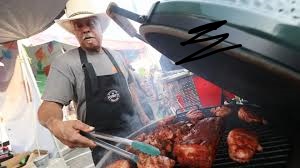
Tasting a few bites of smoked meat and making a judgment of which one is most tasty is much
more than a barbecue contest. Professional judges in most cases go through a lot of training to
be able to detect the slightest difference between a good plate and a plate worthy of championship.
At most events, especially those organized by associations such as the Kansas City Barbeque Society (KCBS)
or the Memphis in May International Festival, judges are required to complete certification courses.
During these classes, they are instructed on the styles of barbecue, balance of flavors, the expectations
during presentations, and even the culture behind some of the styles. An example is that they know how
to tell the difference between meat that is tender due to being smoked well and meat that is mushy due to
overcooking. They also train themselves to understand that there is no such thing as a perfect smoke ring,
that crispy chicken skin has a feeling, and that sauces should add to the meat, not dominate. It is through
this training that judges do not treat this as a matter of taste and preference because they are following
disciplined standards in each and every competitor regardless of their source or the type of cooking they practice.
The Scoring System in Action
The scoring system is one of the most interesting parts of the barbeque competitions, as it gives the participants
and the judges structure and clarity. The assessment procedure usually entails three broad areas which include
appearance, tenderness, and flavor, all of which bear a considerable weight in the final score. Appearance does
not only consist of making the food beautiful but also indicates the dexterity and professionalism of the pitmaster.
An attractive tray of sliced brisket or ribs that form a perfect grid provides one with a good impression even before
the first bite is made. Next comes tenderness, and it is somewhat hard to create a balance between it. Slices of
meat that are excessively tough indicate incompetence at the cooking level, whereas meat that collapses too
readily indicates over cooking. Judges seek the golden mean between the meat being juicy, moist and simply
biting through. Last but not least, flavor can have the greatest influence and it involves combining the natural meat with smoke, rubs, marinades, and sauces. All these aspects need to
be in harmony and not in conflict. The scoring is so comprehensive that a margin of one or two points may be
the difference between a competitor taking home a trophy or going home empty handed,
hence each minute detail counts massively.
