Why Every Detail Counts

To pitmasters, participating in barbecue contests is not just about passion, but about accuracy,
and they are aware that judges are trained to see even the minutest of errors. The depth and
character of the flavor profile may depend on the type of wood used in smoking, such as hickory, oak, cherry,
or applewood. Marinades and rubs should always be balanced in such a way that the spices will add more
flavour to the meat as opposed to overpowering it. When a brisket is removed off the smoker can be a tremendous
difference in determining whether it will reach the judge on the table at the optimum temperature and tenderness.
Minor details like the way ribs are cut or garnishes are served can make an impression that lasts to the judges
who may be judging two or three entries within one sitting. Since the competitors are well aware of the rigorous
nature of the judging procedure, they usually take weeks to refine recipes, do practice cooks, and experiment
with various wood combinations or times to cook. Such careful attention to detail is what distinguishes amateurs
and professionals and what makes competitive barbecue such an exhilarating and hallowed cooking art form.

The Pressure of Judging

Although the limelight is most times on the pitmasters, judges have a huge responsibility bestowed on them.
It is not easy to judge dozens of entries in one day. Judges should work without any personal interests and prejudices,
but strictly on the basis and using the agreed standards. They are supposed to provide full attention to each entry
despite hours of eating rich, smoky and at times overpowering meats. It needs psychological attention and physical
strength to make sure that every one of the competitors has his work valued and assessed thoroughly. More than that,
judges know very well that their scores have consequences. A good score can win a pitmaster prize money,
sponsorships or invitations to bigger competitions and the reverse can happen when a bad score is given.
This burden of responsibility makes it difficult to judge not only when taste is involved but also when it comes
to the integrity of the whole contest. Each point they gain or lose has a consequence on reputations, careers, and on the future of competitive barbecue as a tradition.

Barbecue Contests Community/Cultural Impact.

Barbecue contests are a food event as well as a social event, which binds the community together in a way that
few gatherings do. When these contests are held by towns, cities or even country communities, people of all
economic backgrounds are unified in one location. The new event attracts new customers to local businesses,
families have a cheaper entertainment option and travelers may include the event in their itinerary, which has
increased tourism. The common interest in food unites people as it serves as a universal language that transcends
cultural and social boundaries and helps people to have a pleasant dialogue and value each other. In numerous
instances these competitions become an annual event that whole regions anticipate, and which becomes part of
the cultural calendar and cultural identity. To locals this continuity instils pride, and to tourists it leaves them with long lasting memories attached to the taste of the place and hospitality.
The Judges of Barbecue Contests.

Contests of barbecues started as informal events held in communities and have become very reputable food
festivals and one of the key factors that contribute to this success is the inclusion of judges who are qualified
to judge the event. Such contests would only be fun cookouts not the organized events
that recognize real skill and commitment without the advice and assessment of the judges. It is the
responsibility of the judges to uphold the principle of fairness, consistency and order whereby
every entry is given a fair chance of coming out as the best product. Their participation promotes their
friendly rivalry to a professional contest where the master of barbecuing
tricks can be identified, honored and rewarded both locally and nationwide. They turn a hobby into a
codified sport of taste and heritage.

Barbecue Judge Standards and Training.

Professional judges

Tasting a few bites of smoked meat and making a judgment of which one is most tasty is much
more than a barbecue contest. Professional judges in most cases go through a lot of training to
be able to detect the slightest difference between a good plate and a plate worthy of championship.
At most events, especially those organized by associations such as the Kansas City Barbeque Society (KCBS)
or the Memphis in May International Festival, judges are required to complete certification courses.
During these classes, they are instructed on the styles of barbecue, balance of flavors, the expectations
during presentations, and even the culture behind some of the styles. An example is that they know how
to tell the difference between meat that is tender due to being smoked well and meat that is mushy due to
overcooking. They also train themselves to understand that there is no such thing as a perfect smoke ring,
that crispy chicken skin has a feeling, and that sauces should add to the meat, not dominate. It is through
this training that judges do not treat this as a matter of taste and preference because they are following
disciplined standards in each and every competitor regardless of their source or the type of cooking they practice.

The Scoring System in Action

The scoring system is one of the most interesting parts of the barbeque competitions, as it gives the participants
and the judges structure and clarity. The assessment procedure usually entails three broad areas which include
appearance, tenderness, and flavor, all of which bear a considerable weight in the final score. Appearance does
not only consist of making the food beautiful but also indicates the dexterity and professionalism of the pitmaster.
An attractive tray of sliced brisket or ribs that form a perfect grid provides one with a good impression even before
the first bite is made. Next comes tenderness, and it is somewhat hard to create a balance between it. Slices of
meat that are excessively tough indicate incompetence at the cooking level, whereas meat that collapses too
readily indicates over cooking. Judges seek the golden mean between the meat being juicy, moist and simply
biting through. Last but not least, flavor can have the greatest influence and it involves combining the natural meat with smoke, rubs, marinades, and sauces. All these aspects need to
be in harmony and not in conflict. The scoring is so comprehensive that a margin of one or two points may be
the difference between a competitor taking home a trophy or going home empty handed,
hence each minute detail counts massively.

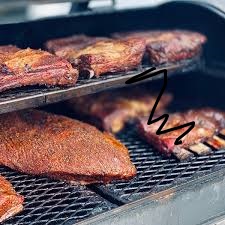
Ribs: An All-time Biggest Hitter.

Another barbecue contest favorite, ribs are a favorite among both competitors and spectators due to
their unresistible blend of smokiness, tenderness, and flavor. Pitmasters can either use baby back ribs
that are leaner and lighter in taste or spared ribs that are chewier and richer. No matter what kind of ribs
they are, they need to be properly prepared, both by taking the membrane off and adding those dry rubs
and sauces that would make the ribs taste natural without making them too heavy. To cook them to perfection
is a matter of hours of smoking at closely controlled temperatures as the meat takes on the appropriate amount
of flavor and becomes tender enough to impress the judges. In judging the ribs, three qualities prevail
in scoring: taste, tenderness and presentation. In this category appearance is particularly desired because
the judges want glossy, well-cooked ribs that are appealing to the eye. The tenderness test is also tricky–your
meat must clean off the bone with every bite, but not fall off altogether, or you know you are overcooking. The
final decision would be taste; a combination of smokiness, seasoning, and sauce that would make the experience
balanced and memorable. Most pitmasters have tried to be unique by using different glazes, blends of wood, or
different spice mixtures. Ribs are easy to learn but hard to master, which is why they are still a standard of barbecue contests all over the world.

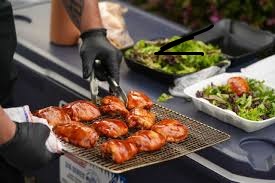
Chicken: Strauss Without Frills and Yet Oh So Difficult.

chicken

Chicken is not prestigious as brisket or even as dramatic a category as ribs, but it is a one of the most misleading
categories in barbecue competitions. On the face of it, chicken appears to be a simple thing–it takes less time to cook
than big pieces of meat and it takes less time to smoke. But it is also ruthless with its speed. Two or three minutes longer,
and the meat is dry and hard, but to cook the meat under you lose the prize. Rivalry needs some speed, but with accuracy
so that they have juicy insides, seasoned with good taste and the skin is crisp and perfectly cooked. Judges judge chicken
based on appearance, moisture, texture and flavor. They want body parts that are uniform like thighs, wings, or drumsticks
that are neatly packaged to be served. The skin should be crunchy to the bite with no rubbery or scalded areas, but the
meat should be tender and juicy all the way through. Another creative test of a pitmaster is flavor, since chicken will
pick up marinades, rubs, and smokes faster than beef or pork. Others inject or brine to maintain consistency and
others use traditional marinade that has been handed over through generations. Since there is no room to spare in chicken,
being a master at this category means that a pitmaster is attentive to detail and can perform under pressure.

Pork Shoulder or Butt: The Real One-Slow Really Slow.

Although it is usually called the pork butt, pork shoulder is one of the most gratifying meats in barbecue competitions.
This slice is full of fat and connective tissue, which degrades over time during long hours of smoking to produce juicy,
tender, and delicious outcomes. Pork shoulder is very time-consuming to cook correctly, because it can take 10 to 14 hours
in the smoker, slowly infusing itself with the smells of wood, rubs and seasonings. Contenders can serve their pork in
various ways, pulled, chopped, or sliced, which gives judges an opportunity to compare the various features of texture
and taste. There are three key attributes when it comes to judging pork shoulder: tenderness, flavor, and moisture.
The most successful entries is one that balances between smoky undertones and a seasoning profile that brings into focus,
and not covers, the innate flavor of pork. The texture must be homogenous, and meat must have the quality of easily
pulling apart and still having structure. Moisture is also essential because dry pork is known to score high penalties.
A lot of pitmasters boost their submissions with finishing sauces or glaze, piling sweetness, sourness or spice on top
to make a trademark bite that the judges will remember. Since pork shoulder is a game that rewards patience and
attention to technique, this is one of the most popular and highly regarded divisions in barbecue contests and can frequently dictate who will take the overall win.

Locals, Food Stalls and Vendors.

To the delight of these contests are the vendors and food stalls that line contest areas providing a wide
array of local flavors and products. On top of the core competition dishes, visitors to the event usually enjoy
artisan sauces, home brew beers, homemade desserts, and local fare that make each event a signature of its own.
Those vendors not only enrich the food experience of the visitors, they also give the local artisans and small
businesses an opportunity to present their products. The stalls make the competitions more like mini-marketplaces,
where food enthusiasts can experience novel flavors, purchase souvenirs and get acquainted with the culture
of the hosting community. This combination of rivalry and business makes it a world of immersion where all participants, players, and spectators feel they are part of the party.

Fellowship and Community Spirit.

The feeling of brotherhood barbecue contests create is perhaps the most enduring aspect of this kind of event.
In contrast to most other competitive activities, barbecue contests promote bonding, teamwork, and respect
among competitors and visitors. Competitors share stories, tips and even a bite of food, and form friendships
that last well beyond the actual event. To the family/friends attending, the contests provide an opportunity to
have a good time with family and friends as they all enjoy good food in a casual, friendly atmosphere. Sharing
food, having a good talk, and celebrating cuisine can make even strangers close people. It is this feeling of
community that makes barbecue competitions more than mere competitions and more of a cultural event that people look forward to attending annually.

Favorite Categories at barbecue contests.

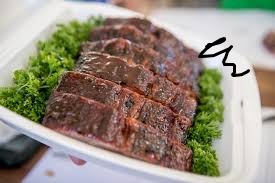
Brisket: The King of Barbecue Contests.

In barbecue competition Brisket is said to be the ultimate test to the ability of a pitmaster. It is a very thick,
tough piece of beef cut in the lower chest, and is very difficult to prepare. It takes a fine mixture of low temperature,
slow smoking, and a well-chosen wood to make brisket the tender and flavorful pieces that judges desire.
Rivalry of this type typically requires hours of whittling, curing and preparing their brisket prior to it being put
on the smoker as no detail can be overlooked in this highly competitive industry. Instead, judges are much more
concerned with appearance, tenderness, and taste. Well cooked brisket must be firm enough to hold together in
tight slices, shiny with water and a gorgeous smoke ring. The touch must be soft enough to be easily torn apart,
but hard enough to demonstrate that it has been used with care. The most difficult part to master is probably the
flavor, which should be rich in beefiness and delicate in the smoke, but at the same time combined with the spices
in the rubs or the marinades. Some pitmasters keep their recipe of brisket a family secret because they understand
that a subtle variation in its seasoning or cooking time could be the difference between their dish receiving the
first place prize and losing. Due to its challenge, winning the brisket category is usually regarded as one of the classic successes in the barbecue profession.

The barbecue contest appeal.

Barbecue contests attract so much attention, as they unite three potent factors, loved by practically every person,
delicious food, celebratory fun, and true friendship. These are all, at their most basic, of taste and culture,
and the finest pitmasters display not only their cooking skill but their ingenuity, stamina, and zeal.
To most competitors, the excitement is in refining recipes that will not be the same as dozens or even hundreds of others.
Weeks, or even months go by experimenting with marinades, trying rubs, and timing the smoking until each detail is perfect.
These contests also mean that chefs and pitmasters can demonstrate their ability to the judges and the crowds,
and victory can bring them recognition, new clients, or national popularity. That is what makes barbecue contests such fun to be in and to be spectators of such competitions.

The Spirit of Competition behind the Smoke.

To serious contestants, barbecue competitions are much more than amateur cook-offs; they are literally battlefields of
skill in which only the most disciplined and innovative pitmasters would ever stand a chance. Handling meat to
compete in events is not a simple task, and there is little room to make mistakes. Competitors will go well ahead of time
to find the best cuts and test out flavors as well as practice their methods. They will need to use time accurately during
the event itself, where meats such as brisket or ribs will be at their most tender on the same day when judging starts.
Competition can make many chefs far more motivated than they would be in their daily cooking, trying something
new with the seasoning or the manner of presentation which could impress the panel. Every single dish is not only a meal,
but a declaration of dedicated effort and individual work, so the ambience is filled with excitement and anticipation.

Judges and their contribution to Increasing the Stakes.

One of the factors that make barbecue competitions so competitive is the judges who examine the tiniest detail of the work.
It isn’t that competitors are unaware that flavor, tenderness and creativity will be evaluated with professional accuracy,
with no possibility of short-cuts or errors. This intensity of examination tempts the participants to take their food to the
next level of difficulty and sophistication that would otherwise have been the prerogative of fine dining. The judges and
their feedback, along with the scores are highly treasured because the winners are not only decided by them but also
the competitors are able to know how to do better next time. To most pitmasters, the opportunity to perform in front
of esteemed judges is as rewarding as any trophy, as it rewards their efforts and their ability in the most visible manner possible.

The Spectator Experience

The chefs are motivated by the competition, but to spectators the beauty of barbecue contests is the colorful and
memorable experience. Once the visitors enter, the place is filled with the irresistible smell of smoked meats,
spices, and smoking grills. The aroma itself brings anticipation and excitement attracting people to the cooking
area to see what the pitmasters are doing. Live music can be heard constantly in the background, which creates
a party atmosphere and helps to stay longer, dance, and rest. The family members sit around, eat, laugh, and make memories,
which makes these events not just competitions, but a celebration of a community. The atmosphere is charged with
energy as crowds go booth to booth trying flavors, talking with cooks and absorbing the vibe that is part county fair and part gourmet food festival.

The Prestige of Competitions around the World.

Passion and professionalism come together in global barbecue competitions. In this case,
the flavors introduced by the pitmasters reflect their cultural and regional roots, such as Texas brisket with its smoky bark,
Carolina pulled pork with its vinegar sauces, or Memphis ribs with their dry rubs.
Every food narrates a story about a location and its culture, as well as demonstrates the ingenuity of the chef.
To most competitors, participating in an international competition is not only about winning a trophy; it is a
way to express their identity, meet fellow competitors all over the world, and challenge the limits of what
barbecue can become. International media and food critics usually report on these contests, which only
strengthens the image of the participants. Such a variety of flavors and methods makes sure that any
competition is treated as a learning process by all judges, competitors and spectators.

Tradition Meets Innovation

brisket

The balance between tradition and innovation is among the most interesting factors barbecue competitors
need to find. Numerous pitmasters are only sticking with the techniques that have been handed down over
the decades, with plain-spice blends, vintage smokers, and proven techniques. According to them authenticity
is in keeping the old ways and these have a direct link to the cultural heritage of barbecue. Meanwhile,
innovation has never been crowded out, and chefs experiment with fusion cuisines, using flavours of Asia,
South America, or the Mediterranean. This may include pouring soy-based glazes over ribs, rubbing brisket
with coffee, or mixing standard smoked meat with non-traditional sides. Being innovative means that no
barbecue competition will ever seem stale, and it will also push the judges and fans to broaden their conception of what barbecue can be.

The Part of Equipment and Technique.

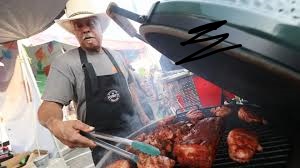
Behind all great food there is a skill in tools and techniques. There are competitors who fiercely
believe in the old fashioned offset smokers and believe that wood-fired cooking and fire management
are the true elements of barbecue. Some people like contemporary pellet grills, precise and consistent,
so pitmasters can spend more time on seasoning and presentation. Control of airflow, smoke and cooking
time takes time and experience and a little slip up can spoil hours of preparation. That is why the choice of
the equipment is highly personal as it depends not only on the style but also on the philosophy of the competitor.
Agility in balancing tradition and technology is usually the difference between good and great outcomes, a reminder that barbecue is much more of a science than an art.

Competition in the Essentials.

To make a barbecue contest a fair and meaningful contest, there are certain judging standards that
each competitor must fulfill. Flavor is the most significant element and the spirit of barbecue, and the
final challenge to a pitmaster. The judges anticipate a balanced taste composition of a subtle sweet flavor
mixed with smokiness, tenderness and spices without making one flavor overpowering.
The texture is also crucial since the meat should be soft enough to consume without collapsing entirely,
but provide a certain degree of chewiness. Another criterion is the use of creativity, and competitors who
are able to launch new flavors, fusion concepts, or visually appealing presentations without losing the spirit
of barbecue will earn points. Last but not least, presentation is important as food is first seen with the eyes.
A well glazed rack of ribs, well cut brisket, or well presented plate can leave a judge impressed before one even
takes the first bite. Collectively, these aspects make sure that all the competitors will be judged not only by their
technical cooking expertise, but also by their capacity to make this a total dining experience.

The Barbecue Heart of Flavor.

Of all the judging factors, taste is always the most considered and determining factor of the barbecue contest.
To obtain a great flavor, one must have an idea of the interaction of smoke with meat, how marinades and rubs
work their way into meat as time progresses, and how companies can boost and not cover natural flavors with
their sauces. Pitmasters should think carefully when selecting wood–hickory, applewood, or mesquite.
Control of temperature is also a key factor, because cooking low and slow can reveal tenderness and deep smoky
layers, and improper control can cause the food to dry out or become bitter. No fact, not even the time to baste
the meat, or the time to leave the meat to rest, is irrelevant as to the ultimate taste. Competitors usually take
years to test and master their technique to be the best, and every competition becomes the test of knowledge and patience.

Charities vs. a pro arena.

Depending on the kind of event, the experience of the event is very different as the size and scale of the barbecue
contest differs greatly. In smaller towns, contests seem more like a community celebration where families,
neighbors and friends come together to enjoy food and company. Such events could include live music, local
craft stalls, and charity raise, as well as the cooking competition, making the whole day a festival of culture and togetherness.
The appeal to socializing and enjoying the atmosphere is as much to many of the attendees as the food.
At the other extreme are the professional contests, like those sponsored by the Kansas City Barbeque Society (KCBS),
which also draw world-renowned pitmasters, huge crowds, and even television exposure.
These events are organized in a highly professional manner with professional judges and large cash prizes
or sponsorships to increase the competition among participants. Achieving a top-level competition does not
only ensure prestige, but it can also lead to new career prospects, restaurant visibility, or even being featured on a television program about barbecue culture.

Barbecue Contest 2025: A Flavorful Tradition That Brings Communities Together

There is hardly anything that brings the community together as much as a barbecue contest does.
Such fun events are not a mere cooking contest, but a tradition, creativity and age-old love of food that brings people together.
During a barbecue competition, people can smell the wood smoke and frying meat more than any other fragrance,
and crowds of participants immediately come to drink not only to taste the meat but also to feel the spirit of unity.
Be it smoky ribs that have been low and slow cooked, or briskets that melt away almost after one bit,
the food itself is an art performance and love story. Rival companies can frequently keep their secret spice
mixtures and sauces, recipes that have been handed down through generations, but they distribute their output to friends,
neighbors, and guests who sit around and savor every juicy bite. This is the competitive and hospitability balance
that makes barbecue competitions so special – everyone wants to win, but the point of the whole activity is to share
food and culture with the community. Barbecue competitions have become much larger than backyard events.
They are nowadays held at local and regional, even national, levels, with professional pitmasters as well as amateurs
taking part. The contests are so much more than food, especially to many, as they are a symbol of history,
regional pride, and belonging. In a small town event on a fairground or during a major festival event, a barbecue
contest has always been one of the best ways people can get together, have a good time, share tradition and practice the art of fire cooking.

What Is a Barbecue Contest?

pitmasters

A barbecue competition is much more than a mere cook-off; it is a festive cultural celebration where
both the culinary and the exuberance of communal gatherings blend. Through these contests, ardent pitmasters,
home cookers and food enthusiasts come out in large numbers to honor the art, patience and creativity that goes
into the preparation of smoked and grilled meat products. These events, fundamentally, will compel those who
participate to exhibit their control over such techniques as slow smoking, fire control, and seasoning. Typically,
competitors cook as many varieties of meat as possible, including ribs, chicken, pork and brisket, although
categories may also include side dishes, sauces or even desserts cooked on the grill depending upon the contest.
The unique feature of each competitor is not only the cut of the meat they select, but the signature rubs, marinades,
or sauces they carry with them, often years old recipes or family recipes. When they serve these dishes, they are
not merely meals, but a narrative of the individual and cultural, and the variety of ways that barbecue can be prepared across time and place.

Start small and concentrate on one category

BBQ Contest Guide

For beginners, the best way to go is to start small and focus more on getting a grip of a single

category of meat than trying to learn about all at once.

It can get overwhelming when competing in many categories because each category involves

different methods of preparation,

cooking time for each type of meat and also its seasoning techniques.

But instead choose one category – like ribs or chicken – that is relatively simple but still offers

ample room to grow your skills. When you cook ribs, for example,

you are able to work on important things like smoking them as well as seasoning without the long cook times brisket needs.

By focusing everything in one category,

you will be able to control such factors as temperature, timing and smoke level hence developing confidence and consistency.

This concentrated approach is very important since judges expect entries that are perfect from appearance to

tenderness and flavor.Make Your Original Signature Rub and Sauce

One of the best things about barbecuing is coming up with your own rubs and sauces which

will set you apart from other competitors.

Instead of using ready-made mixes, try out various seasonings and ingredients that you like personally.

Take your time in doing this especially in determining salt, sugar, heat as well as aromatic

spices to blend them properly with the chosen meat.

The key to success is that once you get a rub or sauce that works for you, be sure it can be repeated under competitive circumstances every time.

For instance have well-documented recipes and practice batches so as to understand how different amounts of each

component will affect the final taste.

By doing this, you’ll create a flavor profile that is balanced but unique thus making your team different

without taking away from the natural flavors of the meat itself. Judges like combinations which are subtly

complex yet balanced rather than overpowering or gimmicky tastes.

Master Contest Day Time Management

Barbecue is one of the most successful competitions in terms of time management.

Contests traditionally have specific times for each meat category to be handed in and late entries will be disqualified.

It is therefore important to come up with a cooking schedule before the contest and practice it. This should provide a detailed guideline on how the meat should be prepared, seasoned,

smoked, removed from heat and cut into servings or plated. When working on your barbeque dishes it’s important

that you always keep in mind that long slow heating requires extra time because some delays might arise when preparing food. The more you rehearse your timetable prior to competition day,

the more you will learn about the length each stage takes as well as identify potential stumbling blocks and hurdles along the way.

Proper management of time also helps alleviate stress and ensures that your meats are cooked properly,

allowed to rest for maximum tenderness and visually appealing when served.

When managing your timing correctly through organization and discipline, you gain an upper hand especially at close contests.

Vendors, Entertainment, and Community Vibe

Besides the cooking areas, booth upon booth of vendors line up in the festival grounds. These stalls will be selling various barbecue-related items such as specialty sauces,

rubs, cooking utensils, custom clothing, and even memorabilia. This is a chance for barbeque-loving individuals attending to discover

new products or ask questions about them so they might be able to purchase some grilling equipment for themselves too.

There are plenty of activities that cater to families making this contest a full day out. For instance, you will find kids’ games,

interactive demonstrations as well as food trucks serving food other than barbeques from different culinary backgrounds.

In this way there is guarantee for everybody present irrespective of age group whether little ones or seasoned food lovers.

Despite the competitive nature of this event however it still manages to retain a friendly attitude amongst participants.

Teams often support each other through story telling sessions or advising one another on how to go about certain matters especially when one is short of some supplies.

This helps breed an understanding team spirit that respects every member which makes it quite unique from many competitive atmospheres that exist today.

The Contest that is both Competitive and Festive

This dual identity makes barbeque competitions special. The spirit of celebration and cultural appreciation lingers while teams compete fiercely for titles and prizes. A place of coming together for people who have a passion for food, heritage, and craftsmanship is created. It is through the vibrant tapestry of cheering favorites on, sampling new flavors or just soaking up the atmosphere that barbecue contests can never be forgotten.

Advice to Newcomers

It’s normal to feel a mix excitement and apprehension as you register your entry in the first ever BBQ competition. Even the most enthusiastic grilling enthusiasts may shiver at thoughts of dealing with strange equipment, elaborate regulations and fierce rivalry. But looming large above all else is the need to prepare well for this important event so that it becomes a foundation stone on which many successful cook-offs will be built. Remembering that community and learning are equally important as winning, can help you keep things perspective when preparing for such events. Some of today’s top pitmasters started right where you are now—curious, eager, ready to learn. By being patient but focused in their first contest challenges will become opportunities; thus building a strong foundation for future success.