
The barbecue competitions are also powerful because they unite communities through one common interest: food. Local suppliers
also establish stalls of hand-made goods, drinks and local delicacies and provide a bustling marketplace that encourages
small enterprises. Families and groups of friends sit under tents and picnic areas and as they consume the food, they
get attached with other people. These contests are usually followed by live music, games, and activities that
are child-friendly and thus are more of a festival than a competition. There is a particularly strong sense of unity
when the proceeds are given to community projects or charities. The attendants sense that regardless of whether
the money is used to finance the local schools, sports team, or healthcare projects, they are helping their community
directly by engaging in the process. This fun and social responsibility combine to make sure that even after the smoke of the grills has dissipated the event is still remembered.
Giving back to the Community and Charities.
Barbecue competitions offer not only local companies and charity organizations the opportunity to flourish but also to co-exist.
By presenting their specialties, restaurants get more visibility, food trucks experiment with new foods, and local farms
can provide fresh food products that would reflect the agricultural advantage of the area. In the case of charities,
such competitions tend to be amongst the most successful fundraising activities of the year. A part of the ticket purchase,
vendor charges or entry fees are often donated to a cause such as the education of children or disaster relief.
This entertainment and donation-focused dualism helps to establish a virtuous cycle: the attendants feel good about
spending money, the businesses grow their reach, the charities find the necessary resources. The end product is a
more powerful, robust community where all the individuals enjoy the fruits of the event.
Maintaining Culinary Traditions of a Region.
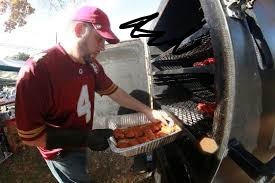
The other critical cultural effect of barbecue contests is that it preserves and honors generations-old culinary traditions.
There is Texas brisket, Carolina pulled pork, Memphis dry-rub ribs and Kansas City burnt ends and each is proudly displayed.
Every area has its approach, tastes and narratives to offer to the table, preserving the past to new generations.
Younger generations who go to such contests not only have a nice meal but also get to know more about the history
behind the food, so that these traditions will be remembered in the present day as well. Also, contests allow
chefs and pitmasters to explore new methods but still celebrate the tradition. This combination of old and
new makes barbecue an art that is still alive and constantly developing, not a stagnant culinary tradition.
Connecting World Tastes to Local Firmness.
Over the past few years, barbecue competitions have begun to have a far wider cultural reach than local communities.
Global competitors and visitors frequently participate in big contests exposing the international customers to
local barbecue methods. As the Japanese or Australian pitmasters who enter American competitions demonstrate,
these traditions can be adapted in different cultures, but without ignoring the fundamental tenets of smoking and grilling.
This is further enhanced by media coverage and live streaming which enables viewers across the globe to enjoy the
artistry behind it. Consequently, barbecue events act as cultural exchanges and also as culinary diplomacy reinforcing cross-border ties and promoting the diversity of local cuisines.
