
Creating Balanced BBQ Sauces and Rubs

Sauces and rubs are key elements for BBQ competition. They enhance and complete the flavor profile of your BBQ and give the judges a flavorful experience.

Developing a Signature BBQ Sauce

Balancing Sweet and Tangy: Creating the perfect balance of sweetness and tanginess in BBQ sauce is important. The combination of brown sugar and vinegar gives the sauce a balanced and appealing flavor that lingers on the judge’s palate.

Adding Complexity with Spices: Signature sauce can add depth and complexity with spices such as paprika, garlic powder, onion powder, and chili powder. These flavors enhance the flavor and provide a distinct edge.

Experimenting with Smoke and Heat: Smoked paprika or chipotle powder add smoke and mild heat to the BBQ sauce, making the taste of the sauce even more dynamic. These layers create a unique flavor experience for the judge.

Perfecting Your BBQ Rub

Dry Rub Ingredients: BBQ rub is a basic combination that is applied to the outer surface of the meat. It is a mix of salt, pepper, brown sugar, and spices that provides a flavorful and crispy crust to the meat.

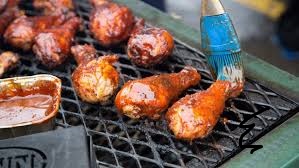
Matching Rubs with Meat Types: Each meat type has its own rub requirement. For brisket, a simple mix of salt and pepper is effective while for ribs and chicken, a sugar-based and slightly spicy rub performs better.

Creating a Balance of Salt and Sweet: The balance of salt and sugar in the rub balances the flavor and enhances the crust. In BBQ competitions, the combination of sweet and salty creates an interesting and delicious flavor profile for judges.

Using Wood and Smoke to Enhance Flavor

Wood and smoke add natural flavors to BBQ that make meat flavorful and aromatic. In BBQ competitions, the right balance of wood type and smoke time significantly impacts the result.

Choosing the Right Wood for BBQ

Apple Wood: Apple wood provides a mild and fruity smoke that brings a light and fresh taste to chicken and ribs. This wood is useful when you want to achieve subtle and non-overpowering smokiness.

Apple Wood

Mesquite Wood: Mesquite provides a very strong and intense smoke flavor that is perfect for short-cooked meats. The combination of beef and lamb with mesquite is popular in BBQ competitions.

Controlling Smoke for Optimal Flavor

Managing Smoke Levels: Excessive smoke can make meat bitter, so controlling smoke is very important in BBQ. Thin blue smoke, which is gentle and light, adds perfect smokiness and flavor to meat.

Adjusting Smoke Duration: The type and thickness of the meat influences smoke duration. Tough meats like brisket and pork butt can handle longer smoke exposure while chicken and fish get the best flavor from short smoking.

Perfecting Texture and Tenderness in BBQ

Texture and tenderness are essential factors in BBQ competition. Proper cooking and preparation gives the meat a melt-in-the-mouth and tender consistency that impresses the judges.

Achieving the Ideal BBQ Texture

Crispy Bark: The crispy bark of a BBQ is a flavorful and textured layer that forms from the rub and smoke of the meat. The thickness and flavor of the bark are major scoring factors in the competition.

Moist Interior: The interior of the meat must be moist and juicy. This can be achieved through brining, marinating, and low temperature cooking techniques.

Creating a Smoke Ring: The smoke ring in a BBQ is a pinkish ring that forms around the edges of the meat and enhances visual appeal and authenticity. This ring forms during the initial stages of smoking when smoke and the proteins in the meat react.

Using Cooking Methods for Tenderness

Low and Slow Cooking: The low and slow cooking technique in BBQ makes tough cuts tender and flavorful. This technique converts tough connective tissues into gelatin which gives a juicy and tender result.

Resting the Meat: It is important to let the meat rest after it is cooked. During resting the juices in the meat are redistributed which ensures a moist and flavorful bite.
Crafting the Perfect BBQ Presentation for Judges

In BBQ competitions, presentation is a key factor in scoring along with flavor. The appearance of food and small details of plating influence the judge’s impression.

Garnishing for Aesthetic Appeal

Using Fresh Herbs: Fresh herbs such as parsley and cilantro are used as garnishes on BBQ plates, which give a visually appealing and fresh look. These garnishes make your BBQ dish visually unique.

Creating Color Contrast: Creating contrast in the colors of meat and sauces creates a visually appealing presentation. Red sauce or green garnish looks attractive with the brown and charred look of meat.

Plating for Judging Panel

Organizing Components Neatly: It is important to arrange meat and garnish neatly and symmetrically on each plate. Judges appreciate a neat and organized presentation.

Highlighting the Smoke Ring: Exposing the smoke ring in BBQ brisket or ribs is important for presentation and flavor representation. This ring creates a deep impression in color and texture and is appealing to the judges.

Learning from BBQ Judges’ Feedback

Analyzing judges’ feedback after the competition is helpful for future improvement. It helps to polish and refine your BBQ skills.

Understanding Judges’ Scoring Criteria

Evaluating Taste, Tenderness, and Appearance: In BBQ competitions, judges score each dish based on taste, tenderness, and appearance. It is important to achieve each factor and not compromise on any one aspect.

Learning from Flavor Preferences: Judges’ feedback is valuable regarding BBQ flavor profiles. By understanding judges’ preferences and critiques, you can better adjust your techniques and flavors.

Experimenting with Improvements

Adjusting Cooking Techniques: Adjusting cooking and smoking techniques based on feedback can help you achieve better scores in future competitions.

Refining Sauces and Rubs: Making improvements and adjustments to sauces and rubs can help you improve your BBQ.

Mastering Flavor Profiles for BBQ Competitions

Understanding the Basics of BBQ Flavor Profiles

The role of flavor is most important in BBQ competitions. The naturally rich flavor of the meat and the combination of added spices and sauces create a flavor profile that makes BBQ unique. Expert pitmasters know which flavor balances and layers can secure high scores in BBQ competitions.

Key Elements of BBQ Flavor

Sweetness: Sweetness in BBQ flavors is important to enhance a balanced taste and caramelization. Brown sugar, honey, maple syrup, and molasses are commonly used to achieve this.

Tanginess: Tanginess brings a fresh and zesty touch to BBQ flavor that helps balance the sweetness and smokiness. Common tangy ingredients include vinegar and mustard, which specifically lift the flavor in pork and chicken.

Smokiness: Smokiness is the core element of BBQ, and in competition BBQ this factor comes from the direct flame of the meat and wood smoke. Each wood type (such as hickory, mesquite, apple wood) adds its own unique smoke flavor that brings a distinct character to BBQ.

Heat/Spiciness: Spice or heat adds depth and complexity to BBQ flavors. This is achieved through jalapeno, chili powder, cayenne, and black pepper, which can range from mild to intense spiciness in meats.

Umami: Umami enhances the deep and savory flavor in BBQ. It adds depth and richness to meats through ingredients like soy sauce, Worcestershire sauce, and mushroom powder.

Setting Up Your BBQ Grill and Equipment

Grill and equipment setup is very important in BBQ competitions. By understanding the unique functionality and settings of each equipment, you can save time and effort on competition day.

Choosing the Right Type of Grill

Offset Smokers: Offset smokers are common in competition BBQs. These are large, wood-fueled smokers that keep the meat away from direct heat and smoke. Offset smokers are ideal for low and slow cooking and contribute greatly to the smoky flavor.

Pellet Grills: Pellet grills offer a combination of automated temperature control and wood pellet fuel. This grill is used in competitions for ease and consistent heat, which creates a steady smoke and cooking environment.

Kamado Grills: Kamado grills are ceramic grills that effectively retain heat and moisture. Kamado grills have the advantage of temperature control and versatility, and are suitable for both fast and slow cooking.

Kamado Grills

Preparing Your Equipment for Competition

Setting Temperature Zones: Creating heat zones in BBQ grills is important during competition. Cooking and finishing in high heat and low heat zones is easy, and this technique helps achieve the best results.

Ensuring Fuel Availability: Extra fuel, such as wood pellets or charcoal, is important to keep in mind so that fuel shortages are not an issue during competition. This preparedness avoids interruptions in the middle of competition.

Timing and Temperature Control Techniques

Timing and temperature control affect the texture and flavor of meat in BBQ competitions. Mastering both can take competition BBQ to the next level.

Understanding Meat’s Internal Temperature

Target Temperatures for Different Meats: Each meat has its own target temperature that must be achieved for safe and flavorful outcome. Brisket generally cooks at 195-205°F, ribs at 190-203°F, and chicken thighs at 165°F for best results.

Using a Thermometer for Accuracy: It’s important to use an instant-read thermometer in BBQ competitions. Thermometers can accurately monitor the internal temperature of meat, which is critical for flavor and safety.

Managing Cooking Time Effectively

Planning Cooking Phases: Cooking meat in different phases is part of a time-efficient and flavorful outcome. In competition BBQ, managing phases such as searing, smoking, and resting on a pre-defined schedule is important.

Allowing Rest Time: Letting meat rest after cooking helps flavors settle and develop a juicy texture. This resting process is important to enhance flavor and tenderness in competition BBQ.

Post-Competition Review and Improvement

After every BBQ competition, a process of self-evaluation and feedback collection is very important. This helps you improve and be better prepared for future competitions.

Gathering Judges’ Feedback

Noting Areas for Improvement: It is important to take judges’ feedback seriously and focus on specific areas that need improvement.

Understanding Flavor Preferences: Judges’ feedback depends on BBQ flavors and techniques, which can help you enhance taste in your future competitions.

Practicing for Future Competitions

Experimenting with New Techniques: Keep experimenting with new techniques and flavors for future BBQ competitions so you can keep your competition BBQ skills fresh and unique.

Refining Your Signature Style: Every BBQ chef has a unique style that makes them recognized and stand-out. Continue to refine your unique rubs, sauces, and presentation to keep your BBQ distinctive and impressive.

Mastering Meat Selection and Preparation for BBQ Competitions

Selecting the Right Meat Cuts for BBQ Competitions

Meat selection in BBQ competitions is done very carefully and strategically. Each meat type and cut has its own specific qualities that play a major role in taste, texture, and presentation. Expert pitmasters know which technique and preparation will best suit each cut.

Common Meat Cuts for Competitions

Brisket: Brisket is a popular BBQ competition meat, primarily a tough cut of beef. Its long smoking process develops a tender and juicy texture. Brisket selection depends on its marbling and thickness; thicker and well-marbled brisket produces flavorful results when slow cooking.

Pork Ribs: Pork ribs, such as baby back and spare ribs, are very common in BBQ competitions. Baby back ribs are tender and cook quickly, while spare ribs are slightly tougher and develop a deep flavor.

Pork Ribs

Chicken Thighs: Chicken thighs are another popular meat choice because their dark meat is juicy and flavorful. Thighs are marinated and smoked in competitions to add deep flavor and crispiness.

Pork Butt: Pork butt, which is used for pulled pork, is also popular. The cooking process melts fats and connective tissues to create a rich, juicy texture that attracts judges in competition BBQs.

Selecting High-Quality Meat for BBQ Competitions

Look for Marbling: Marbling in meat, i.e. fat distribution, is an important factor that makes a difference in flavor and tenderness. Marbled meat stays juicy and moist during grilling and smoking.

Choosing Fresh Meat: Fresh and unprocessed meat always produces better results. Fresh meat has better flavor and texture than frozen meat, and fresh cuts produce superior outcome in competitions.

Preparing Meat for the Perfect BBQ Flavor

The preparation of meat is as important for BBQ competitions as its selection. Proper preparation techniques, such as trimming, marination and injection, make meat flavorful and competition-ready.

Trimming the Meat

Removing Excess Fat: Trimming excess fat from meat is important to prevent the meat from burning during smoking and to affect the flavor and texture. Trimming also achieves a clean and neat appearance that is appealing to the judges.

Shaping for Even Cooking: Trimming meat into a uniform shape helps it cook evenly, and also enhances the presentation for the competition.

Marinating and Injecting Meat

Using Marinades for Deep Flavor: Marinades add flavor and moisture to meat. Marinades are selected in BBQ competitions based on each pitmaster’s preference and the type of meat. Acidic ingredients like vinegar, soy sauce and citrus make the meat tender and flavorful.

Injecting for Enhanced Juiciness: In competition BBQs, meat is seasoned using flavor injections. This technique helps the flavors reach the inner layers and the end result is juicy and moist. Apple juice, broth and seasoning injections are commonly used for that extra layer of flavor.

Smoking Techniques for Competition-Level BBQ

In BBQ competitions, smoking techniques must be perfect. Controlling the flavor and timing of the smoke plays a major role in the final taste and texture of the meat.

Choosing the Right Wood for Smoking

Different woods produce unique flavors that play a major role in the taste and presentation of the meat. 

Hickory Wood: This wood creates a bold and smoky flavor that is very popular with pork and ribs.

Apple Wood: Apple wood gives a mild and slightly sweet smoke that is very good with chicken and fish.

Oak Wood: Oak wood creates a medium flavor smoke and is very suitable for brisket and beef.

Cherry Wood: Cherry wood provides a light and sweet smoke and also develops an attractive reddish color on the meats.

Managing Smoke Levels and Timing

Low and Slow Cooking: Competition BBQ generally uses low and slow cooking techniques. Slow smoking meat at low temperatures enhances its flavor and tenderness.

Maintaining Consistent Temperature: Maintaining a consistent temperature is very important in BBQ. Sudden high or low temperature smoke can make meat dry and flavorless.

Preparing for On-Site BBQ Competitions

At on-site BBQ competitions like Smoke in the Valley, you must be fully prepared for live cooking and serving. Good preparation and planning allow you to perform with focus and confidence.

Organizing Ingredients and Equipment for Competition

Setting Up Cooking Stations: It is important to organize your cooking station at the competition venue so that you have everything available and accessible. This organization helps in the ease and speed lane of the cooking process.

Packing Essential Ingredients: It is important to properly pack and label essential ingredients like sauces, rubs and spices so that nothing is missed during the competition.

Preparing Backup Supplies: Sometimes unexpected situations arise such as equipment failure. Keeping extra supplies and backup equipment ready is important for contingency.

Time Management and Cooking Schedules

Creating a Timeline: It is important to create a structured timeline for the day of the competition. Allocating time for each cooking phase makes it easier for you to prepare and plate.

Sticking to Your Schedule: Following a schedule is critical in competition. Delays or time mismanagement can result in loss of marks, so follow your schedule with focus and discipline.

Maintaining Cleanliness and Safety During the Competition

Hygiene and safety are also very important in BBQ competitions. Maintaining a safe and clean environment not only boosts your confidence but also sets a positive impression on the judges.

Following Food Safety Protocols

Meat Storage and Temperature Control: Keeping meat refrigerated and at proper temperature is critical for food safety. Avoid leaving meat at room temperature on the day of the competition.

Using Clean Utensils and Surfaces: Keep every tool and surface clean and sanitized during cooking. This is not only important for hygiene, but also essential for better taste and presentation.

Maintaining a Clean Workstation

Clearing Off Used Utensils: Clear away used utensils and scraps during cooking. This keeps your work area clean and manageable.

Keeping Towels and Sanitizer Handy: Spills or messes can happen at times, so keeping towels and sanitizer on hand is important.