
Mastering BBQ Sauces and Seasonings for Competitive Edge

The Role of BBQ Sauces and Rubs in Competitions

BBQ sauces and rubs are the heart of any BBQ competition. Sauces and rubs are essential for adding the finishing touches to the taste and presentation, and they make you stand out and be unique. In BBQ competitions like the Smoke in the Valley BBQ Cook-off, these flavor enhancers are what attract judges to your dish.

Types of BBQ Sauces and Their Flavor Profiles

Different BBQ regions and styles are famous for their unique sauces, and these regional sauces introduce unique flavors and techniques to competitions.

Kansas City-Style BBQ Sauce: These sauces are thick, sweet, and tomato-based, with a unique flavor of brown sugar and molasses. This sauce works well with meats like pork and beef.

Memphis-Style Sauce: This sauce has a little tanginess to it, as it’s made from a vinegar and tomato base. It’s light and less sweet, and goes well with brisket and chicken.

Texas-Style Sauce: Texas-style sauces balance the flavors of mustard and vinegar, which enhance the natural flavor of the meat. This sauce is often used with beef brisket and ribs.
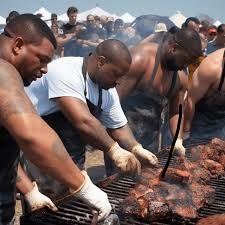
Texas-Style Sauce

Carolina Vinegar Sauce: This is a thin, tangy sauce commonly used in dishes like pulled pork. Its acidic and sharp flavor creates a perfect combination with the meat.

Customizing BBQ Sauces for Competitions

Balancing Sweetness and Spice: The balance of BBQ sauce is very important. Sauces that are too sweet or too spicy may be disliked by judges. So, it is important to keep the sweetness and spice in balance by experimenting.

Adding Depth with Ingredients: Ingredients like garlic, onions, jalapeños, and herbs give sauces a deep and complex flavor. These ingredients create layers in your sauce that elevate the tasting experience.

Perfecting Rubs for BBQ Competitions

Rubs are also very crucial in competition BBQs because they add a unique flavor and crust to the meat. Different combinations of rubs and techniques can give your competition BBQ an edge.

Types of BBQ Rubs and Ingredients

Sweet Rubs: These rubs contain ingredients like brown sugar and cinnamon that create a caramelized flavor and crust on pork and ribs.

Savory Rubs: Garlic powder, onion powder, and black pepper are savory rubs that are perfect for meats like beef brisket and chicken.

Spicy Rubs: Cayenne, paprika, and crushed red pepper make spicy rubs. Spicy rubs are generally used by contestants in competition BBQ who prefer bold flavors.

Herb-Based Rubs: Herb-based rubs contain fresh herbs like rosemary, thyme, and oregano. These are ideal for lighter meats like chicken and fish.

Applying Rubs Properly

Patting Dry and Generous Coating: It is important to pat the meat dry before applying the rubs. A dry surface helps the rub adhere better, and a generous coating enhances flavors.

Allowing Rest Time for Rub Absorption: It is important to let the meat rest for a while after applying the rub so that the spices and flavors are absorbed.

Timing and Multitasking During Competitions

Creating a Cooking Schedule: Creating a structured cooking schedule is important in BBQ competitions to help you with time management and preparation. Planning each step and time-bounding it makes your process smooth and efficient.

Balancing Multiple Meat Categories: Competitions often require preparing multiple meat categories at one time, such as chicken, ribs, and brisket. Through practicing multitasking and planning, you can maintain optimal timing and flavor for each category.

Tips for BBQ Presentation to Impress Judges

Presentation is as important as taste in a BBQ competition. Judges always judge the appearance of the meat, which helps with your overall impression and scoring.

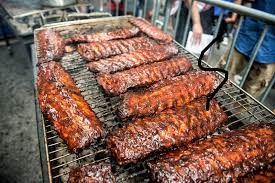
BBQ Presentation

Clean and Professional Plating Techniques

Uniformity in Cuts: Cutting meat into consistent and uniform pieces is ideal for presentation. Whatever meat you serve, balance in cutting and portion size is very important.

Using Garnishes Carefully: Garnishes such as parsley and lettuce are common in BBQ presentations, but they should be used carefully to focus on the flavor and appearance of the meat.

Keeping the Platter Simple: Overly-decorated platters should be avoided to focus on the meat and its quality. Simple and clean plating helps judges concentrate on the meat.

Adding a Final Touch for Visual Appeal

Applying a Glossy Glaze: Applying a light BBQ sauce or glaze to the meat shortly before the competition makes it visually appealing and flavorful.

Sprinkling Fresh Herbs: A slight sprinkle of fresh herbs can uplift the presentation and give the meat a vibrant and attractive look.

Ensuring Meat is Warm: Meat should not be cold while plating, because warm and juicy meat looks best in appearance and taste.

Staying Calm and Focused During the BBQ Competition

It is important to stay focused and composed in competition despite the high pressure. Focus and discipline in a BBQ contest help you achieve better results and performance.

Strategies to Stay Organized and Efficient

Creating a Checklist: Creating an organized checklist is important to ensure you have all the essential tools and ingredients available for the competition.

Assigning Responsibilities in Team Events: If there is a team in the BBQ event, assigning responsibility to each member helps with efficiency and time management.

Taking Breaks and Hydration

Staying Hydrated: BBQ competitions generally take place outdoors and it is important to maintain hydration. Taking sufficient water and energy drinks helps maintain focus and energy.

Taking Quick Mental Breaks: It is also important to take short mental breaks during competition to keep your focus and energy levels consistently high.

Choosing the Right BBQ Equipment for Competitions

Importance of Quality Equipment in BBQ Contests

Using top-quality equipment in BBQ competitions can enhance your cooking skills and final presentation. Not just recipes and cooking techniques, but the tools and grills you use also play a big role in the outcome. Every BBQ chef chooses equipment based on personal preference, but there are some essential tools and machines that are recommended in competitions and especially for events like the Smoke in the Valley BBQ Cook-off.

Types of BBQ Grills

BBQ competitions mostly use charcoal, gas, and pellet grills. Each grill type has a unique flavor and functionality that is suitable for specific cooking styles and meats:

Charcoal Grills: Charcoal grills give meats a distinct smoky flavor. This is a traditional method of grilling and is highly preferred in competitions because it adds depth and aroma to the meat.

Gas Grills: Gas grills heat up quickly and are easier to temperature control. But they are less preferred in competitions because their smoky flavor is not as intense as charcoal.

Pellet Grills: Pellet grills use wood pellets which provide consistent heat with a smoky flavor. These are very popular in high-end BBQ competitions because they make temperature and smoke control easy.

Essential BBQ Tools for Competitive Cooking

It is important to have some essential tools to streamline cooking and preparation in BBQ competitions. These tools provide you with maximum control and consistency in meat preparation, cooking, and serving.

Must-Have BBQ Tools

Meat Thermometers: Monitoring the internal temperature of meat is essential for perfect cooking. Instant-read thermometers help you check the doneness of meat which is important to maintain accuracy and quality in competition.

Heat-Resistant Gloves: It is important to have heat-resistant gloves for both safety and control in BBQ competitions. These gloves can withstand high temperatures and protect you from direct heat.

Basting Brushes and Sprayers: Basting brushes and sprayers are used to make meat juicy and flavorful. These tools help distribute sauces and marinades evenly, which enhance the final presentation and flavor.

Cutting Boards and Knives: High-quality cutting boards and sharp knives are needed to precisely cut and prepare meat. These are essential for maintaining the uniformity and appearance of meat in BBQ competitions.

Choosing the Right Fuel

Fuel choice is a major factor in BBQ competitions that impacts meat flavor and cooking time:

Charcoal Briquettes: This fuel is slow-burning and provides consistent heat. Charcoal is used in traditional BBQs and adds deep flavor to the meat.

Lump Charcoal: Lump charcoal is natural and chemical-free, which adds a more smokey flavor to the meat. BBQ experts prefer lump charcoal in competitions.

Wood Chips and Chunks: Wood chips and chunks such as hickory, oak, and applewood can add unique flavors to the BBQ. This fuel helps balance smoke and flavor and is ideal for meats like brisket and ribs.

Practicing BBQ Techniques for Competition Readiness

Through constant preparation and practice in BBQ competitions, you can refine your BBQ skills. Consistent practice improves time management, flavor control, and presentation, which helps you in the high score lane.

Experimenting with Flavors and Cooking Times

Perfecting Rubs and Marinades: For BBQ competitions, it is important that your rubs and marinades are unique. Through practicing, you can balance and refine flavors, which elevates the final taste of the meat.

Testing Cooking Times for Different Meats: Chicken, ribs, and brisket, each meat category has a different cooking time and temperature requirement. Through practice, you can make these timings perfect and consistent, which is very beneficial for competition.

Fine-Tuning Smoke Levels: Smokey flavor is a major characteristic of BBQ, and managing the smoke level and setting the timing is only possible with practice. By testing different wood chips and smoke techniques, you can add a unique flavor profile to your BBQ.

The Ultimate BBQ Contest Prep: Secrets to Scoring High with the Judges

Understanding BBQ Contest Basics

Participating in BBQ competitions, such as the Smoke in the Valley BBQ Cook-off, is a thrilling and challenging experience. Following the standards of organizations such as the Kansas City Barbeque Society (KCBS), contestants demonstrate their BBQ skills and compete for prestigious awards. This section covers the basic points of BBQ competition and the best practices of preparation.

Types of BBQ Categories

BBQ competitions have multiple categories in which contestants compete. Each category has different criteria and judging standards:

Chicken: Chicken BBQ is judged on taste and tenderness. Uniformity and presentation are also important factors.

Ribs: Perfectly cooking and presenting pork ribs is a major focus for contestants as this category is highly competitive.

Pork: Pulled pork is judged on taste and texture.

Brisket: Beef brisket is very critical for flavor and juiciness in BBQ competitions.

Perfecting Your BBQ Recipes

Special ingredients and techniques are added to recipes for Competition BBQ that deliver unique flavor and texture.

BBQ Recipes

Finding the Right Seasonings and Rubs

Experiment with Rubs: Every competition has a unique taste, and rubs create a flavor profile that can impress BBQ judges. You should perfect your rub by testing different spice mixes.

Balance of Sweet and Spicy: BBQ rubs generally have a balance of sweet and spicy flavors that enhance the taste of smokey meat.

Brining and Marination Techniques

Brining for Juiciness: Brining makes meat, especially chicken and pork, juicy and flavorful.

Marinating with Bold Flavors: Vinegar-based sauces or citrus fruits are also used for marination, which makes the meat tender and flavorful. Marinades also add spices and herbs that give the meat a distinct flavor.

Cooking Techniques to Impress BBQ Judges

Mastering Low and Slow Cooking

BBQ uses low and slow cooking techniques that give meat the perfect tenderness and smokey flavor.

Controlling the Temperature: Temperature control is very important in BBQ, and the optimal temperature is different for each meat category. Generally, cooking is done at 225-250°F.

Using Wood Chips for Smoky Flavor: Different wood chips such as hickory, oak, and applewood develop different smoky flavors that give BBQ a unique taste.

Timing and Resting Meat

Timing is Key: The cooking time of each meat is different, and marks can be deducted due to over-cooking or under-cooking.

Resting Meat Before Serving: It is important to let the meat rest for a while after it is cooked so that the juices settle and the flavor is consistent.

 Plating and Presentation Tips for High Scores

Presentation is equally important as taste in BBQ competitions. Judges generally score on the texture and presentation of the meat.

Focus on Clean and Simple Presentation

Using Garnishes Thoughtfully: Simple garnishes like parsley and lettuce create a clean and attractive presentation. Over-garnishing should be avoided as it can overshadow the flavor.

Uniform Cuts and Placement: Cutting and arranging meat in uniform pieces makes an impression. Perfectly cut ribs and consistent chicken pieces are visually appealing.

Timing the Plating Process

Keeping Meat Warm: It is important to keep the meat warm before plating so that the temperature and flavor remain intact.

Adding Finishing Touches Last Minute: Applying BBQ sauce and glazes at the last minute enhances presentation and taste.

Understanding BBQ Judging Criteria

Judges score each BBQ dish based on specific standards. In BBQ competitions, taste, tenderness, and appearance are the main criteria.

Key Judging Points to Remember

Taste: Keeping the flavor profile complex and balanced improves taste marks.

Tenderness: The meat should not be over or under-cooked; it should have perfect tenderness and juiciness in the bite.

Appearance: The presentation should be clean and attractive. Evenly distributed glaze and shine on the meat improve the appearance.

Feedback from Judges and Continuous Improvement

Listening to Judge’s Feedback: Taking feedback seriously and improving your techniques is essential for continued success.

Practicing Before Competitions: Practicing and experimenting brings you closer to your BBQ flavors and techniques, which can produce impactful results in the final competition.